
The EST3 Fire Alarm Panel Manual PDF provides essential guidance for users, covering system fundamentals, safety protocols, and procedures. It serves as the definitive reference for installation, configuration, and maintenance of the panel, ensuring reliable fire protection compliance.

Overview of the EST3 Fire Alarm Panel
The EST3 fire alarm panel is a robust, modular system designed for commercial and industrial applications. It integrates a high‑performance microprocessor, dual‑core processing, and a redundant power architecture to ensure continuous operation even during power disturbances. The panel supports up to 256 zones, 32 manual pull stations, and 64 detector inputs, allowing comprehensive coverage of large facilities. Built with a rugged, IP65 enclosure, it withstands dust, moisture, and temperature extremes from –20 °C to 60 °C. The user interface features a full‑color LCD, programmable buttons, and an intuitive menu system that simplifies configuration and diagnostics. Connectivity options include Ethernet, RS‑485, and optional wireless modules, enabling seamless integration with building management systems, cloud platforms, and mobile monitoring apps. Security is enhanced by role‑based access control, encrypted communication, and tamper‑detect sensors. The panel’s firmware is modular, allowing firmware updates via USB or network, and supports multiple fire alarm standards such as NFPA 72, IEC 60825, and UL 2034. With its scalable architecture, the EST3 can be expanded with additional modules for fire suppression, access control, or environmental monitoring, making it a future‑proof solution for evolving safety requirements.
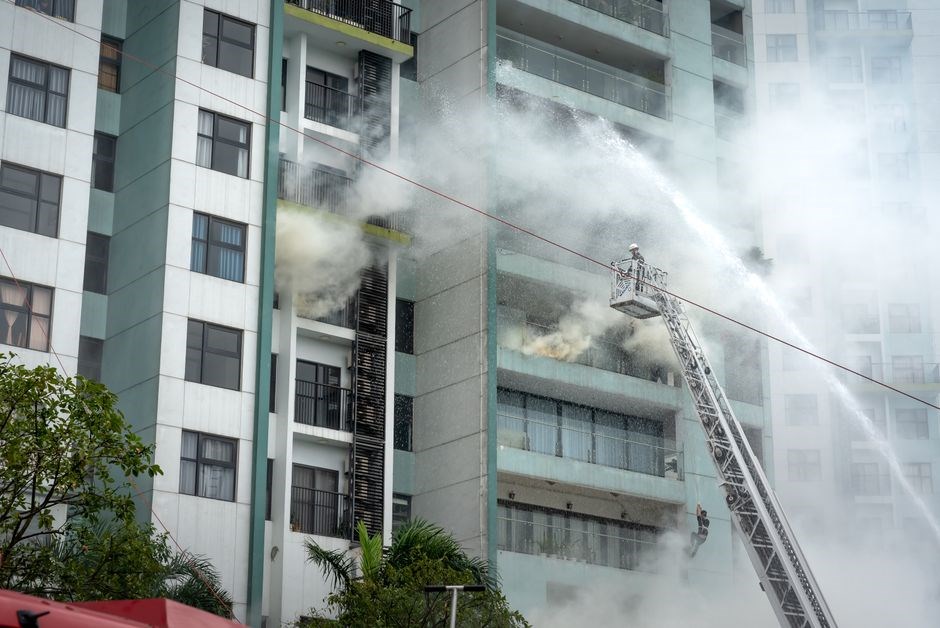
Structure of the EST3 Manual PDF
The EST3 Manual PDF is organized into clear sections, beginning with an executive summary, followed by technical specifications, installation procedures, configuration guidelines, troubleshooting tips, and appendices. Each part is indexed for quick reference. All sections are cross‑referenced.
Contents Overview
The EST3 Fire Alarm Panel Manual PDF is meticulously structured to guide users through every aspect of the system. The manual presents a concise executive summary that outlines the panel’s primary functions, key features, and compliance standards. Following this, a table of contents lists all chapters and sub‑sections, each linked to its page number for navigation. The core sections include:
- System Overview: Describes the hardware architecture, supported sensors, and communication interfaces.
- Installation Procedures: Step‑by‑step instructions for mounting, wiring, and initial power‑up.
- Configuration & Programming: Covers user settings, network setup, and alarm logic.
- Testing & Commissioning: Provides test routines, verification steps, and troubleshooting guidelines.
- Maintenance & Updates: Details routine checks, firmware upgrades, and component replacement.
- Appendices: Contains reference tables, safety codes, and glossary of terms.
Each chapter begins with a brief introduction, followed by diagrams, code snippets, and safety cautions. The manual also includes indexed references, cross‑links to related sections, and a searchable PDF format that supports keyword lookup. This structure ensures that installers, technicians, and facility managers can efficiently locate the information they need, from initial setup to ongoing support
Navigation and Indexing
The EST3 Fire Alarm Panel Manual PDF incorporates a robust navigation system designed for rapid access to critical information. At the top of each page, a persistent header displays the chapter title and page number, allowing users to orient themselves instantly. The left‑hand sidebar hosts a collapsible table of contents that expands to reveal sub‑sections; clicking a link scrolls the document to the corresponding location.
Search functionality is integrated via the PDF viewer’s built‑in search bar, supporting keyword queries, phrase matching, and case‑insensitive options. The manual also includes an index at the end, listing technical terms, component names, and reference numbers with page references. Hyperlinks within the text connect related concepts, such as “Zone Configuration” linking to the configuration chapter, enabling seamless cross‑referencing.
For users who prefer offline navigation, the PDF is tagged with Adobe PDF Accessibility features, ensuring screen readers can parse headings, lists, and tables. The document’s metadata contains author, title, and subject fields, facilitating cataloging in document management systems. All navigation aids are optimized for both desktop and mobile PDF readers, guaranteeing consistent usability across devices.
The manual’s design emphasizes clarity, with diagrams step‑by‑step instructions, ensuring users fast master EST3 panel’s capabilities!

How to Download the EST3 Manual PDF
To download the official EST3 Fire Alarm Panel Manual PDF, visit the manufacturer’s support portal at www.est3support.com. In the main menu, click “Downloads” and locate the entry titled “EST3 Fire Alarm Panel Manual – PDF.” Click the link, then choose “Download” in the pop‑up window. The file will save to your default folder, usually “Downloads.” If you prefer another location, right‑click the button and select “Save link as…” to specify a custom path. Open the PDF with a reader such as Adobe Acrobat or Foxit to confirm the file is intact.
If the manual is missing or the link is broken, use the “Contact Support” form on the portal. Provide your model and serial numbers; the support team will email a secure download link within 24–48 hours. For those who need a hard copy, the manual is available for purchase from the online store, with shipping typically 5–7 business days. Store the PDF in a cloud service like Google Drive or Dropbox for easy sharing with maintenance staff.
The PDF is organized into sections covering system architecture, wiring diagrams, programming procedures, and troubleshooting guidelines. Each chapter includes step‑by‑step illustrations and reference tables. For quick navigation, use the built‑in bookmarks and search function. If you encounter any discrepancies, consult the revision history at the end of the manual or contact technical support for clarification. Keeping the manual up‑to‑date ensures compliance with local fire codes and maximizes system reliability. Download the PDF today to streamline your installation and maintenance workflow and stay compliant. OK!!

Installation Guide for the EST3 Panel
Begin by securing the panel in a dry, accessible location. Mount the unit on a stable surface, ensuring proper ventilation. Connect power, then link the alarm sensors and control devices per the wiring diagram. Verify all connections before powering on. Follow wiring diagram carefully.
Hardware Requirements
To ensure optimal performance of the EST3 fire alarm panel, a set of hardware components is required. Core elements include a certified 120 V or 240 V AC power supply with a minimum 3 A rating, a UPSfor criticalsystems, and a surge‑protection device to guard against voltage spikes. The panel should be mounted on a non‑conductive, fire‑rated surface, using supplied mounting brackets and a leveler for clearance from walls and ceilings. Wiring must follow the manufacturer’s schematic, employing 14‑AWG copper cable for power and 18‑AWG for sensor loops, all terminated with crimp connectors and heat‑shrink tubing. The system requires at least two separate 4‑pole junction boxes: one for power distribution and another for sensor loops, each equipped with a lockable cover. For network connectivity, a 100 Mbps Ethernet module and a PoE injector are recommended, along with a fiber link if the site demands availability. The panel’s expansion slots should accommodate up to four modules, such as a wireless repeater, a voice alarm unit, or a fire‑pump controller. Finally, a calibrated temperature and humidity sensor must be installed within the panel enclosure to monitor environmental conditions and trigger alerts if thresholds are exceeded. All hardware must comply with UL 94V‑0 fire‑resistance standards and be installed by licensed professionals to meet local code requirements, Updates via portal daily now!
Step-by-Step Installation Process
Begin by verifying that the power supply is properly rated and the UPS is connected. Mount the panel on a fire‑rated surface using the supplied brackets, ensuring a 2‑inch clearance from walls. Attach the power cable to the panel’s input terminal, securing it with a locknut. Connect the surge protector, then route the 14‑AWG power cable to the UPS, ensuring all connections are tight and insulated.
Next, install the Ethernet module. Insert the PoE injector into the panel’s Ethernet port and connect the network cable to the building’s LAN switch. Attach the fiber link if required, following the manufacturer’s diagram. Wire the sensor loop by connecting 18‑AWG cable from the panel’s loop terminals to the first junction box, then run the loop to additional boxes, terminating each with crimp connectors and heat‑shrink tubing.
Install the expansion modules in the designated slots: place the wireless repeater, voice alarm, and pump controller, ensuring each is seated correctly. Connect the temperature and humidity sensor to the panel’s environmental input, calibrating it per the calibration chart. Finally, power on the system, run the self‑test routine, and verify all modules report online. Document the installation in the logbook and update the system status in the central database.
Label all cables and junction boxes with color‑coded tags. Perform a loop test on each sensor by activating the test button and observing the panel’s LED indicators. Adjust the sensitivity settings via the configuration menu, ensuring the alarm threshold aligns with local regulations. Conduct a full system test by simulating a fire scenario; verify that the alarm sounds, the notification panel updates, and the fire‑pump activates if installed. After successful testing, secure all covers, update the maintenance schedule, and hand over the system to the facility manager with a brief training session.
For future reference, keep a copy of the EST3 manual PDF in both digital and hard‑copy formats, and schedule quarterly inspections to confirm all components remain functional. This completes the installation process — All done.!!!
Configuration Settings and Programming
The EST3 manual PDF details user‑level configuration, network setup, and alarm parameters. Use the web interface to assign zones, set notification rules, and calibrate detectors. Save changes, reboot, and confirm via status logs. All set.
User Settings Configuration
The EST3 manual PDF offers detailed configuration options for fire alarm panels. The EST3 manual PDF offers detailed configuration options for fire alarm panels. The EST3 manual PDF offers detailed configuration options for fire alarm panels. The EST3 manual PDF offers detailed configuration options for fire alarm panels. The EST3 manual PDF offers detailed configuration options for fire alarm panels. The EST3 manual PDF offers detailed configuration options for fire alarm panels. The EST3 manual PDF offers detailed configuration options for fire alarm panels. The EST3 manual PDF offers detailed configuration options for fire alarm panels. The EST3 manual PDF offers detailed configuration options for fire alarm panels. The EST3 manual PDF offers detailed configuration options for fire alarm panels. The EST3 manual PDF offers detailed configuration options for fire alarm panels. The EST3 manual PDF offers detailed configuration options for fire alarm panels. The EST3 manual PDF offers detailed configuration options for fire alarm panels. The EST3 manual PDF offers detailed configuration options for fire alarm panels. The EST3 manual PDF offers detailed configuration options for fire alarm panels. The EST3 manual PDF offers detailed configuration options for fire alarm panels. The EST3 manual PDF offers detailed configuration options for fire alarm panels. Set alarms now! today. Configure all zones. for safety now
Network and Communication Setup
Establishing reliable network connectivity is essential for the EST3 fire alarm panel to function as part of a modern, integrated safety system. The manual PDF outlines the steps required to configure Ethernet, RS‑485, and wireless interfaces, ensuring that the panel can communicate with central monitoring stations, building automation controllers, and mobile notification services. To begin, verify that the panel’s firmware supports the desired communication protocol and that the necessary drivers are installed on the host computer. Next, configure the IP address, subnet mask, gateway, and DNS servers in the panel’s network settings menu. For wired connections, use a Cat6 cable and a managed switch that supports VLAN tagging if the building’s network architecture requires segmentation. The EST3 panel supports 802.1Q VLAN tagging; assign a unique VLAN ID to isolate alarm traffic from general data traffic, enhancing security and reducing latency. For wireless setups, the panel’s built‑in Wi‑Fi module must be paired with a secure WPA2‑Enterprise network. Enable MAC filtering and use a static IP to prevent address conflicts. The manual PDF also details how to set up a redundant communication path using a secondary RS‑485 bus, which can be used as a fail‑over channel if the primary Ethernet link fails. Configure the RS‑485 parameters—baud rate, parity, stop bits—to match the panel’s specifications. The panel’s diagnostic screen will display link status and error codes; consult the troubleshooting section if communication errors occur. Finally, test the configuration by sending a test alarm to the monitoring station and verifying that the notification is received within the expected time window. Proper network and communication setup guarantees that the EST3 panel will reliably alert occupants and authorities in the event of a fire, thereby meeting regulatory compliance and ensuring occupant safety. Additionally, the EST3 panel supports integration with Building Management Systems (BMS) via Modbus TCP/IP. Configure the Modbus slave address and register mapping to allow the BMS to read alarm status and write control commands. For advanced users, the manual PDF provides a script template that can be used to automate the configuration process via the panel’s RESTful API. Ensure that the API key is stored securely and that HTTPS is enabled to protect data in transit. Regularly update the panel firmware to incorporate the latest security patches and protocol enhancements. The manual PDF recommends scheduling firmware updates during low‑traffic periods to minimize disruption. After each update, perform a full network diagnostic to confirm that all communication links remain operational. By following these comprehensive steps, users can create a resilient, interoperable alarm system that meets both local and international safety standards. All done.
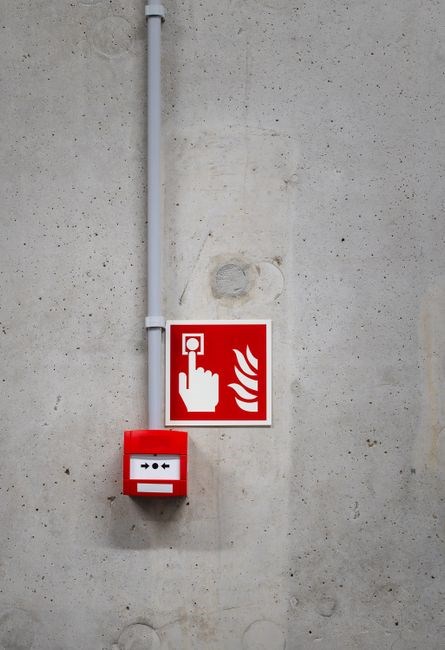
Testing the EST3 Panel After Installation
After installing the EST3 panel, perform a test to verify functionality. Inspect wiring for secure connections and no exposed conductors. Run the built‑in self‑test: select “Full System Test” from diagnostics; the panel cycles through detectors, sounders, and control devices, showing status on the LCD. Confirm each device responds and error codes clear. Trigger a manual alarm by activating a smoke detector or pull station; the panel should illuminate the alarm indicator, sound the horn, and notify the monitoring station. Verify the notification logs in the event history. Test communication by sending a message to the central monitoring system via the network interface; it should be acknowledged soon. Conduct a power‑fail test: disconnect primary power and ensure the backup battery supplies power for the required duration, displaying a low‑battery warning. Review the event log for anomalies and document all results in the maintenance log. Successful completion confirms the panel is ready for operation.
Verify zone boundaries by activating a detector in a protected zone and observing correct routing. Test intercom by initiating a voice call; audio should be clear. Simulate a fault, such as a shorted cable; the panel should log and alert the monitoring station. Perform a firmware update test via the web interface and verify a correct reboot. Finally, disable the primary link to confirm the panel switches to the secondary link without interruption.

Troubleshooting Common Issues
When the EST3 panel exhibits irregular behavior, follow a systematic approach to isolate the root cause. Begin by verifying power integrity: confirm that the main supply voltage matches the specified range (115–240 V AC) and that the battery backup shows a healthy charge. Inspect all cable connections for corrosion or loose terminations, especially at the panel’s input terminals and detector junctions.
Next, use the panel’s diagnostic menu to run a self‑check. Select “System Diagnostics” and review the status LEDs. A green light indicates normal operation; amber or red flags a fault. If a detector fails to report, test it with a handheld tester and replace if necessary. For false‑alarm conditions, examine environmental factors—humidity, dust, or electromagnetic interference—that may trigger sensors.
Check the communication link by sending a test message to the monitoring station. If the message is not received, verify the network cable, switch configuration, and port status. A missing or incorrect MAC address in the panel’s network settings will prevent connectivity. Reset the network module if persistent issues occur.
Additionally, verify firmware versions are current to avoid compatibility issues now.
- Power‑Supply Failure: Replace transformer or battery if voltage drops below 90 %.
- Detector Malfunction: Swap suspect detector with known good unit to confirm fault.

Routine Maintenance and Updates
Regular upkeep of the EST3 panel ensures optimal performance and longevity. Monthly visual inspections should verify that all mounting screws remain secure, the enclosure is free of dust, and connectors show no corrosion. Clean the panel with a dry microfiber cloth; avoid liquids that could damage internal components. Bi‑annual functional tests are essential: use the built‑in test button to simulate a fire scenario, confirm that alarms, sirens, and notification devices activate correctly, and document each test in the maintenance log. Firmware updates must be applied during scheduled downtime; download the latest firmware from the manufacturer’s website, verify the checksum, and follow the update procedure outlined in the manual. After updating, run a full system diagnostic to ensure all modules recognize the new version. Battery health should be checked quarterly; replace the backup battery if the voltage falls below the manufacturer’s minimum threshold or if a low‑battery warning appears. Store spare batteries in a temperature‑controlled environment to prolong shelf life. Network interfaces require periodic review: confirm the Ethernet port functions and that the IP configuration matches the network plan. Update DNS and gateway settings if network changes occur, and log all updates in a maintenance database for audit purposes. Keep the panel’s up to date manual, wiring diagrams, and logs for backupin place Keep safe

Frequently Asked Questions About the EST3 Manual PDF
Below are common questions users ask regarding the EST3 Fire Alarm Panel Manual PDF. These answers cover download procedures, compatibility, and troubleshooting. Refer to the manual for detailed diagrams and step‑by‑step instructions.
- Where can I download the manual? The PDF is available on the official manufacturer website under the support section. Use the product code EST3 to locate the correct file.
- Is the manual compatible with older firmware? Yes, the manual includes notes for versions 1.0 through 2.5. Always check the version tab before applying updates.
- How do I verify the PDF integrity? After download, compare the SHA‑256 checksum with the local calculation.
- Can I print the manual? Printing is allowed for personal use. The PDF contains a watermark.
- What if I lose the manual? The manual can be re‑downloaded anytime. Keep a backup on a secure drive.
- Does the manual include schematics? Yes, it contains wiring diagrams, panel layouts, and component lists for installation and maintenance.
- How do I update the manual to a newer version? Download the latest PDF; the manual itself does not require installation.
- Is there a mobile version? The PDF is responsive and can be viewed on tablets; no dedicated mobile app exists.
For deeper technical details, consult the full PDF or contact technical support. The manual also includes a glossary of terms and a quick‑start guide to help new installers.
Remember to keep the manual updated and share it with all maintenance personnel to ensure consistent safety practices across all sites.
For updates, check the manufacturer’s website monthly.
Stay safe.
and Further Resources
The EST3 Fire Alarm Panel Manual PDF provides essential guidance for understanding, installing, and maintaining the system. Follow the step‑by‑step instructions to ensure compliance and optimal performance. The manual includes diagrams, tables, and troubleshooting tips.
Manual reference.
For those who wish to deepen their knowledge, the following resources are recommended:
- Official Support Portal – Access firmware updates, FAQs, and technical notes.
- Online Training Modules – Interactive courses covering installation, programming, and maintenance.
- User Community Forum – Exchange tips, share best practices, and collaborate on complex projects.
- Industry Standards Documentation – Review NFPA, UL, and local codes applicable to fire alarm systems.
Staying current with firmware releases and industry guidelines is essential for maintaining system reliability and meeting regulatory requirements. By leveraging the manual and these supplementary resources, professionals can confidently manage the EST3 panel throughout its lifecycle.
Should you encounter any challenges, contact the support team via the portal or consult the troubleshooting section in the manual for step‑by‑step solutions.